
 admin
admin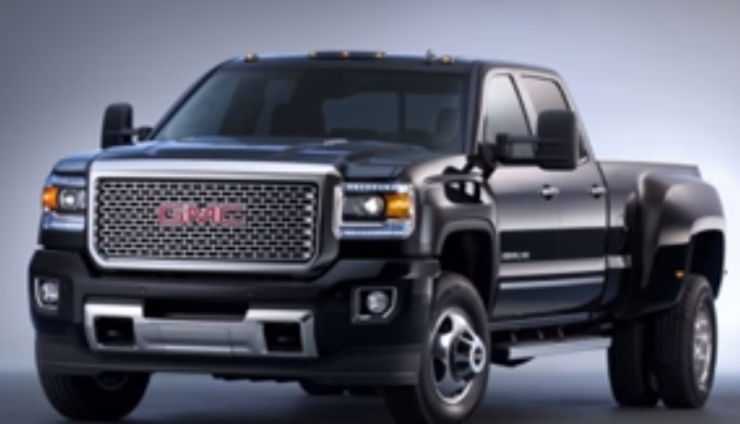
Video credit: Big Truck Lovers / YouTube
Trying to figure out the Kelley Blue Book value for a truck can feel like trying to price a pickup with a tape measure, a calculator and a crystal ball. The good news? You don’t need the crystal ball.
Whether you’re buying a used Ford F-150, Chevrolet Silverado, Ram 1500, Toyota Tacoma, GMC Sierra or another pickup, knowing the truck’s estimated market value can give you a serious advantage before you negotiate.
The important thing is to understand that a truck does not have just one universal “Blue Book price.” The value can change depending on whether you’re buying, selling privately or trading the truck to a dealer. Mileage, condition, trim, drivetrain, equipment, location and current demand can all make a difference.
Kelley Blue Book provides consumer vehicle values using transaction and market data, with pricing influenced by factors such as local market conditions and seasonal trends.
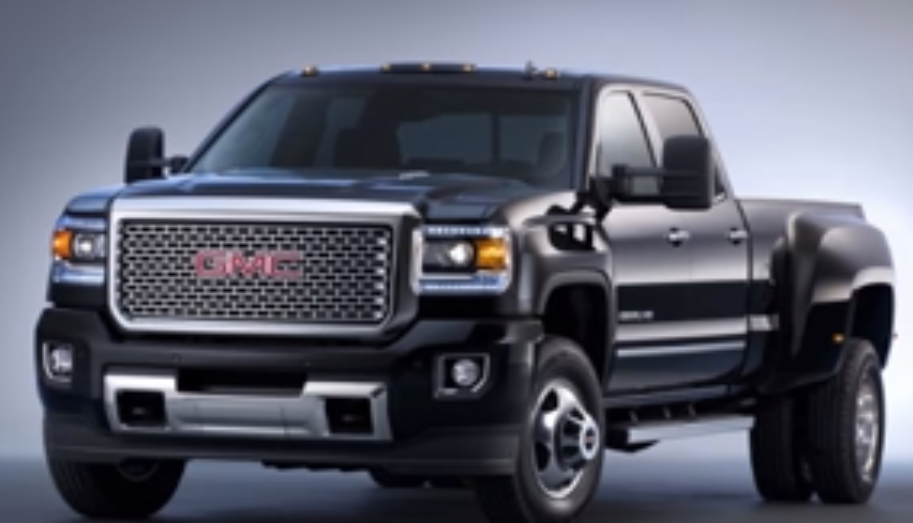
What Is the Kelley Blue Book Value of a Truck?
The Kelley Blue Book truck value is an estimated market value designed to help consumers understand what a particular truck may be worth in a specific situation.
That distinction is important.
Imagine you own a 2020 pickup with low mileage, four-wheel drive, a desirable trim and excellent maintenance records. A dealer may give you one number for it. A private buyer may be willing to pay more. A dealer selling a similar truck may advertise it for an even higher price.
All three numbers can exist at the same time.
That’s why KBB provides different types of pricing information rather than pretending every truck has one fixed value.
Why Truck Values Can Be So Different
Pickup trucks are unusual vehicles because people buy them for very different reasons.
One buyer may need a truck to tow a fifth-wheel trailer. Another wants a comfortable daily driver. Someone else needs a work truck that spends Monday through Friday hauling equipment.
Then there are the truck enthusiasts.
They want the big engine, giant wheels, off-road package and enough horsepower to make the neighbors wonder what they’re compensating for.
Because buyers want different things, the same basic truck can have very different levels of demand.
KBB’s vehicle-value system lets shoppers enter information such as the vehicle’s year, make, model and ZIP code before moving through the valuation process.
For a broader explanation of KBB valuation, see our Kelley Blue Book Values for Used Cars guide.
How to Check Kelley Blue Book Truck Value
Checking the estimated value of a truck is relatively simple, but the accuracy of your result depends heavily on the information you enter.
Step 1: Identify the Truck’s Year
Start with the model year.
A 2022 Ford F-150 and a 2018 Ford F-150 may look similar from a distance, but they can have very different values.
Make sure you’re using the actual model year rather than the year you purchased the truck.
Step 2: Select the Manufacturer
Choose the correct manufacturer, such as:
- Ford
- Chevrolet
- GMC
- Ram
- Toyota
- Nissan
- Honda
- Jeep
- Rivian
Popular truck brands include Ford, Chevrolet, Ram, GMC and Toyota.
Step 3: Choose the Exact Model
Next, select the specific truck.
For example, don’t simply stop at “Ford.”
You need the actual model, such as F-150, F-250, F-350, Ranger or Maverick.
The difference between a light-duty pickup and a heavy-duty pickup can be enormous.
Step 4: Select the Correct Trim
This step is easy to overlook.
A base-model work truck and a fully loaded luxury trim may share the same basic body, but their market values can be dramatically different.
Trim names can include versions such as:
- XL
- XLT
- Lariat
- King Ranch
- Platinum
- Limited
Different manufacturers use their own trim systems, so always choose the configuration that matches your truck.
Step 5: Enter the ZIP Code
Location matters more than many people realize.
A four-wheel-drive truck may attract strong demand in one region while a fuel-efficient compact pickup may be more popular somewhere else.
Entering the correct ZIP code helps make the estimate more relevant to your local market.
Step 6: Add Mileage and Equipment
Now comes the part that can make the valuation more realistic.
Enter the truck’s mileage and select the appropriate equipment and options whenever the valuation tool asks for them.
Don’t guess.
If the truck has 92,000 miles, don’t enter 60,000 because you like the smaller number better. The computer isn’t going to reward you with a gold star.
What Factors Affect a Truck’s Kelley Blue Book Value?
There isn’t a single factor that determines the value of a used truck.
Instead, think of the value as a recipe. Mileage is one ingredient. Condition is another. Trim, drivetrain, equipment, location and demand all get thrown into the same pot.
1. Model Year
Generally, newer trucks are worth more than older trucks, assuming comparable condition and equipment.
However, depreciation isn’t always perfectly linear.
A highly desirable older truck can sometimes hold its value surprisingly well.
2. Mileage
Mileage is one of the first things buyers look at.
A truck with 40,000 miles usually attracts a different audience from one with 180,000 miles.
But here’s an important point: mileage isn’t everything.
A high-mileage truck with excellent maintenance records can be more appealing than a lower-mileage truck that has been neglected.
3. Overall Condition
Condition can have a huge impact on what a buyer is willing to pay.
Look at:
- Engine condition
- Transmission operation
- Tire condition
- Brake condition
- Paint and bodywork
- Interior wear
- Rust
- Windshield and glass
- Suspension
- Electrical equipment
A truck that looks fantastic in photographs but has worn tires, mechanical problems and a questionable maintenance history isn’t really a fantastic truck.
It’s a very expensive surprise wearing nice clothes.
4. Four-Wheel Drive vs. Two-Wheel Drive
Drivetrain can influence demand and resale value.
Four-wheel-drive trucks are especially attractive to buyers who need off-road capability, towing confidence or additional traction in difficult conditions.
However, don’t assume 4WD automatically means a specific dollar premium in every market. Local demand, condition, trim and fuel costs all matter.
5. Cab Configuration
Truck buyers can be surprisingly particular about cab style.
You may see:
- Regular cab
- Extended cab
- Double cab
- Crew cab
A family buyer may strongly prefer a crew cab, while a commercial buyer may prefer a simpler configuration that leaves more money available for equipment.
6. Bed Length
Bed length matters too.
Some buyers specifically want a long bed because they’re hauling lumber, tools, motorcycles or other equipment.
Others prefer a short bed because it makes the truck easier to park and maneuver.
7. Engine
Engine choice can influence both desirability and price.
Diesel engines in heavy-duty pickups, for example, can appeal strongly to buyers who tow frequently.
But a diesel isn’t automatically better for every buyer. Maintenance, fuel costs and intended use all matter.

Why Trim Level Matters So Much
Imagine two trucks from the same year.
Both have the same engine and the same basic body style.
Truck A is a basic work truck.
Truck B has premium leather seats, advanced technology, upgraded wheels, a larger infotainment system and a premium towing package.
Should they have exactly the same value?
Obviously not.
That’s why selecting the correct trim when checking a KBB truck value is so important.
Our Kelley Blue Book accuracy guide explains more about why the details entered into a valuation tool can affect the result.
Kelley Blue Book Truck Value: Trade-In vs. Private Party
This is probably the most important distinction for anyone selling a truck.
Trade-In Value
The KBB trade-in value represents a different situation from selling directly to another person.
You’re essentially saying to the dealer:
“Here are my keys. I’ll take your offer, and let’s put the value toward another vehicle.”
The convenience is excellent.
But convenience has a price.
Private-Party Value
With a private sale, you deal directly with the buyer.
That can potentially produce a higher price because the buyer is not expecting the same wholesale-to-retail margin that a dealership needs.
But now you’re responsible for:
- Advertising
- Answering calls and messages
- Showing the truck
- Negotiating
- Handling paperwork
- Arranging payment
For a deeper look at trade-ins, read our Kelley Blue Book Trade-In Value guide.
What Is a Used Truck Actually Worth?
This is where things get interesting.
The KBB number is a useful starting point, but the actual market can be different.
Suppose your truck has a KBB estimate of $30,000.
You search local listings and discover comparable trucks are being advertised between $27,500 and $31,500.
Your truck has excellent tires, complete service records and a clean history.
Suddenly, you have a much better picture.
You don’t just have one number.
You have a market range.
Don’t Confuse Asking Price With Truck Value
This mistake can cost buyers thousands of dollars.
You search online and find a similar truck advertised for $35,000.
Great!
Except it has been sitting unsold for 140 days.
An asking price is simply what the seller wants.
It isn’t proof that buyers are willing to pay it.
When researching truck prices, compare several vehicles and look for a pattern.
Five similar trucks listed between $29,000 and $31,000 tell you more than one truck listed at $37,000.
How Much Does Mileage Affect Used Truck Value?
Mileage is important because it represents accumulated use.
However, there is no magic mileage number at which a truck suddenly becomes worthless.
A well-maintained pickup can remain useful for a very long time.
What matters is the combination of mileage and condition.
| Truck | Mileage | Maintenance | Potential Buyer Reaction |
|---|---|---|---|
| A | 65,000 miles | Poor records | Proceed carefully |
| B | 105,000 miles | Complete records | Could be attractive |
| C | 160,000 miles | Excellent maintenance | Depends heavily on price and condition |
The odometer tells part of the story.
The maintenance history tells another part.
Why Truck Condition Can Beat Mileage
Let’s say you have two identical trucks.
The first has 80,000 miles but has never missed an oil change, has four good tires and has detailed service records.
The second has 55,000 miles but has worn tires, poor service records and several cosmetic problems.
Would you automatically choose the second truck?
Probably not.
That’s why a proper inspection is essential even when the Blue Book estimate looks fantastic.
Check the Truck’s History Before Buying
A pricing guide can tell you what a truck may be worth.
It cannot tell you everything that happened to that specific truck.
That’s where a vehicle history report becomes useful.
A CARFAX report can include information such as reported accidents, damage, service history, ownership history, mileage information and title information.
For serious purchases, a history report should be combined with a physical inspection and test drive.
Check official CARFAX vehicle history reports.
How Accident History Affects Truck Value
Not every accident automatically destroys a truck’s value.
A small repaired bumper incident is very different from major structural damage.
Look at:
- Severity of the accident
- Where the truck was damaged
- Quality of repairs
- Title status
- Airbag deployment
- Frame or structural damage
A buyer may accept a properly repaired truck at a discount, while another buyer may walk away immediately.
Transparency is always better than hiding the history.
How Towing Equipment Affects Truck Value
Truck buyers often care about towing capability.
A truck equipped with a factory towing package, integrated trailer brake controller and suitable axle ratio can be more appealing to someone who regularly tows.
But again, the value of an option depends on the buyer.
If you’re selling a truck with serious towing equipment, highlight it clearly in the listing.
Don’t just write:
“Nice truck, runs good.”
Tell buyers what makes it useful.
Do Truck Accessories Increase Kelley Blue Book Value?
Sometimes, but don’t assume you’ll recover every dollar you spent.
Popular accessories might include:
- Bed covers
- Running boards
- Towing equipment
- All-terrain tires
- Suspension upgrades
- Toolboxes
- Off-road equipment
However, highly customized trucks can become difficult to value.
You may love the giant aftermarket wheels.
The next buyer may look at them and think, “Those tires are going to cost how much?”
Personal taste doesn’t always translate into resale value.
How to Increase Your Truck’s Resale Value
If you’re preparing to sell your pickup, don’t immediately spend $10,000 on modifications.
Start with the basics.
Clean the Interior
Remove trash, personal belongings and stains.
A clean cabin makes the truck feel better maintained.
Wash and Detail the Exterior
A professional detail can make an older truck photograph dramatically better.
Fix Small Problems
Repair broken lights, loose trim, damaged handles and obvious cosmetic issues where the cost makes sense.
Replace Worn Tires if Necessary
Four badly worn tires can make buyers immediately start calculating repair costs in their heads.
Collect Maintenance Records
Receipts are powerful.
They show that the truck was actually maintained rather than simply described as “well maintained” in a Facebook Marketplace listing.
Should You Repair a Truck Before Selling?
Sometimes.
If your truck needs a $200 repair that makes it much easier to sell, it may be worth doing.
If you’re considering a $7,000 repair on a truck that might increase its sale price by only $2,000, the math isn’t quite as friendly.
Before spending money, ask:
- Will this repair increase buyer confidence?
- Will it make the truck easier to sell?
- Will I recover most of the expense?
- Is the repair necessary for safety?
How to Price Your Used Truck for a Private Sale
Here’s a practical strategy.
Start With KBB
Get the current estimate for your exact truck.
Check J.D. Power/NADA
Use another recognized valuation source to create a second benchmark.
Check Edmunds
Edmunds provides another perspective on market value. Our Edmunds Car Value guide explains another popular way to research used vehicle pricing.
Search Local Listings
Find at least five comparable trucks.
Try to match year, trim, mileage, drivetrain and condition as closely as possible.
Set Your Asking Price
Use the combined information to choose a realistic price.
Don’t automatically use the highest number you find online.
How to Negotiate When Buying a Used Truck
Good negotiation isn’t about saying, “Give me $5,000 off.”
It’s about having evidence.
Suppose you’re looking at a $32,000 truck.
You discover:
- Comparable trucks are selling around $29,000–$31,000.
- The truck needs four tires.
- The brake service is due.
- The service history is incomplete.
Now you have a reasonable basis for making an offer below the asking price.
That’s much stronger than simply telling the salesperson that your wallet feels sad.
How to Negotiate a Truck Trade-In
Before visiting a dealership, check your truck’s value yourself.
Then get multiple trade-in offers if possible.
If one dealer offers $20,000 and another offers $23,000, you have learned something very important.
The truck’s value isn’t necessarily the first number someone says.
Our KBB Trade-In Values article provides additional information about preparing for this type of negotiation.
Why Dealer Retail Price Is Higher Than Trade-In Value
This confuses many first-time buyers.
You trade your truck for $25,000.
A few weeks later, you see a similar truck at a dealership for $30,000.
“They made $5,000 instantly!”
Not necessarily.
The dealer may have spent money on:
- Inspection
- Repairs
- Detailing
- Transportation
- Advertising
- Financing inventory
- Dealer overhead
And the truck still has to sell.
The difference between a trade-in number and retail asking price isn’t automatically pure profit.
Kelley Blue Book vs. NADA for Trucks
If you want a more complete truck valuation, compare KBB with J.D. Power/NADA.
The NADA Guides valuation legacy is now associated with J.D. Power’s vehicle valuation system.
Using more than one source is useful because different valuation services can produce different estimates.
Our detailed Edmunds Car Values vs. Other Pricing Guides article explains why comparing multiple valuation sources can provide a broader view of the market.
The key isn’t finding a website that gives you the biggest number.
The key is finding a number that makes sense when compared with actual trucks in your market.
KBB Truck Value vs. Edmunds
Edmunds is another useful reference when researching used truck prices.
Our Edmunds True Market Value guide covers how market data, vehicle details, location and other factors can influence valuation.
When three valuation sources point toward roughly the same price range, you can feel much more confident.
When they disagree dramatically, that’s a signal to investigate further.
What Is a Good Price for a Used Truck?
There is no universal “good price.”
A $25,000 truck could be an excellent deal or a terrible deal.
It depends on what you’re getting for the money.
Consider:
- Year
- Mileage
- Trim
- Engine
- Drivetrain
- Condition
- Accident history
- Service history
- Tires
- Local market price
A $28,000 truck in excellent condition may be a better purchase than a $24,000 truck that immediately needs $6,000 worth of work.
Popular Trucks People Check on Kelley Blue Book
KBB’s vehicle research system includes many of America’s most popular pickup trucks.
Ford F-150
The F-150 is one of the best-known full-size pickups in the market. Buyers can find a wide variety of engines, cab configurations, bed lengths and trim levels.
Chevrolet Silverado 1500
The Silverado 1500 is another major player in the full-size truck market. Its broad range of configurations means two Silverados from the same year can have very different values.
GMC Sierra
The Sierra shares much of its underlying architecture with the Silverado but has its own trims, styling and equipment packages.

Ram 1500
The Ram 1500 is popular with buyers looking for a combination of towing capability, comfort and everyday usability.
Toyota Tacoma
The Tacoma is particularly popular among buyers looking for a midsize pickup. Its reputation and strong enthusiast following can make used examples especially interesting to research carefully.
Does KBB Work for Heavy-Duty Trucks?
KBB provides pricing and vehicle research for trucks, but heavy-duty pickups require extra attention to configuration.
A Ford F-250, F-350, Chevrolet Silverado 2500HD or GMC Sierra 3500HD can have enormous differences in value depending on engine, cab, bed, drivetrain, trim and towing equipment.
For a heavy-duty truck, always check the exact configuration rather than relying on a generic model name.
What About Commercial or Semi Trucks?
This is where you need to be careful with the phrase “Kelley Blue Book for trucks.”
Consumer pickup trucks and commercial Class 4–8 trucks are very different markets.
A regular Ford F-150 is not valued in exactly the same way as a commercial tractor-trailer.
If you’re pricing a heavy commercial truck, specialized commercial valuation resources may be more appropriate than a consumer pickup valuation tool.
Can Truck Modifications Hurt Resale Value?
Absolutely.
Modifications can increase value to the right buyer and reduce it for someone else.
A professionally installed suspension system may appeal to an off-road enthusiast.
Another buyer may see it as a reason to worry about premature wear.
The safest modifications for resale are generally those that improve usability without making the truck excessively personalized.
How to Get the Highest Possible Price When Selling a Truck
If your goal is to maximize the sale price, presentation matters.
Take Better Photos
Photograph the truck outside during daylight.
Show the front, rear, sides, bed, interior, tires, dashboard and engine bay.
Write a Specific Description
Instead of writing “excellent truck,” explain why.
For example:
- One owner
- Complete service records
- New tires
- Clean title
- No reported accidents
- Recent brake service
- Factory towing package
Be Honest
If there is a scratch, dent or mechanical issue, disclose it.
Trust makes private sales easier.
Price According to the Market
Use KBB as your baseline, then compare the truck with real local listings.
What Is the Best Way to Determine a Truck’s True Value?
Use several sources.
Here’s the simple formula:
KBB value + J.D. Power/NADA value + Edmunds estimate + local comparable listings + actual vehicle condition = much better estimate of real market value.
No single website knows everything about your individual truck.
The valuation tool doesn’t know that the previous owner parked under a tree for six years.
It doesn’t know that the transmission was replaced last summer.
It doesn’t know that the interior smells like a combination of wet dog and old gym socks.
That’s why human inspection still matters.
Common Kelley Blue Book Truck Value Mistakes
Mistake 1: Entering the Wrong Trim
Always choose the exact configuration.
Mistake 2: Ignoring Mileage
A 50,000-mile truck and a 150,000-mile truck shouldn’t automatically be valued the same.
Mistake 3: Overrating Condition
Be honest. “Excellent” should mean excellent.
Mistake 4: Ignoring Local Market Prices
National data is useful, but your truck is being sold somewhere specific.
Mistake 5: Assuming Every Upgrade Adds Money
Some modifications are valuable to you but not necessarily to the next owner.
Mistake 6: Treating KBB as a Guaranteed Offer
A valuation estimate is not a guaranteed dealer check.
Mistake 7: Skipping the Inspection
Even an expensive truck with a beautiful Blue Book estimate can hide expensive mechanical problems.
Is Kelley Blue Book Accurate for Trucks?
KBB is a useful and established pricing reference, but it should be treated as an estimate rather than an absolute selling price.
KBB’s values are designed to reflect market conditions, but the final transaction can differ because actual value depends on condition, mileage, equipment, location, demand and the type of transaction.
Our Kelley Blue Book accuracy article goes deeper into the reasons a published estimate can differ from the final price.
Kelley Blue Book Truck Value for Insurance
If your truck is damaged or declared a total loss, don’t assume the insurer will simply pay whatever KBB says.
Insurance companies may use their own valuation systems and comparable vehicles.
However, a KBB estimate can still be useful as one reference point when reviewing a settlement.
Keep documentation showing your truck’s equipment, condition, maintenance and comparable market listings.
Kelley Blue Book Truck Value for Financing
Truck valuation can also matter when you’re financing a purchase.
Lenders may use their own valuation rules and loan-to-value calculations.
Don’t choose a truck solely because the monthly payment looks comfortable.
Consider the total purchase price, interest rate, loan term and down payment.
For more car-buying pricing strategies, read our 5 Sources to Get Top Deals on New Car Prices.
Kelley Blue Book Truck Value vs. Invoice Price
Don’t confuse used-truck market value with a new truck’s invoice price.
Invoice price is related to what a dealer pays or is invoiced for a new vehicle, while used-vehicle valuation is based on the market for a previously owned vehicle.
Our Kelley Blue Book vs. Car Invoice Prices guide explains the difference in greater detail.
Can a Truck Be Worth More Than Kelley Blue Book?
Yes.
If your truck has unusually low mileage, exceptional condition, rare equipment or very strong local demand, a buyer may be willing to pay more than a standard valuation estimate.
Likewise, a truck in poor condition may sell for less.
The real market always has the final say.
Can a Truck Be Worth Less Than Kelley Blue Book?
Absolutely.
If comparable trucks are selling below the KBB estimate, your truck has significant wear, or demand in your area is weak, the actual selling price may be lower.
This isn’t necessarily a problem with the valuation guide.
It’s simply the difference between an estimated market value and an individual transaction.
Should You Use Kelley Blue Book and NADA Together?
Yes.
If you’re making a major financial decision, checking multiple valuation sources is one of the smartest things you can do.
Our Edmunds vs. other pricing guides article also discusses why comparing different valuation sources can provide a more complete market picture.
Think of each valuation source as a different mechanic inspecting the same engine.
If everyone gives you roughly the same diagnosis, you can feel pretty confident.
If one person says the engine is perfect and another says it is about to explode, you probably want a second inspection.
Other AutoCarHub Vehicle Value Guides
If you’re researching vehicle prices, these AutoCarHub guides may also be useful:
- Kelley Blue Book Values for Used Cars
- Kelley Blue Book Trade-In Values
- Edmunds Car Value Guide
- Edmunds True Market Value
- Edmunds Car Valuation
- Kelley Blue Book for Classic Cars
- Kelley Blue Book for Motorcycles
- Kelley Blue Book for Snowmobiles
- NADA RV Value Guide
- Kelley Blue Book vs. Car Invoice Prices
- Are Kelley Blue Book Values Reliable?
- 5 Sources for Better Car Prices
Frequently Asked Questions About Kelley Blue Book for Trucks
How do I find the Kelley Blue Book value of my truck?
Go to KBB’s vehicle valuation area, enter the truck’s year, make, model, ZIP code, trim, mileage and applicable equipment, then review the available value information.
Does Kelley Blue Book have values for pickup trucks?
Yes. KBB provides vehicle research and valuation information for pickup trucks, including popular models such as the Ford F-150, Chevrolet Silverado, Ram 1500, GMC Sierra and Toyota Tacoma.
Is KBB truck value the same as trade-in value?
No. Trade-in value is specific to trading the truck to a dealer. Private-party and retail situations can produce different numbers.
Is Kelley Blue Book accurate for used trucks?
KBB is a useful benchmark, but the final selling price can differ because actual value depends on condition, mileage, equipment, location, demand and the type of transaction.
Does mileage affect Kelley Blue Book truck value?
Yes. Mileage is an important factor in used-vehicle valuation, but it should be considered alongside condition and maintenance history.
Does 4WD increase truck value?
It can, depending on the truck and local demand. Four-wheel drive may be particularly attractive to buyers who need towing, off-road capability or additional traction.
Do truck accessories increase resale value?
Some accessories can make a truck more desirable, but they do not necessarily add their full purchase price to resale value. Highly personalized modifications can even reduce the number of potential buyers.
Should I use KBB, NADA and Edmunds together?
Yes. Comparing multiple valuation sources can help you create a more realistic price range instead of relying on one estimate.
Should I get a vehicle history report before buying a used truck?
Yes. A vehicle history report can reveal information about reported accidents, title history, service records and other events. It should be used together with a physical inspection and test drive.
Is a dealer’s trade-in offer the same as the truck’s retail value?
No. A dealer has to consider reconditioning, advertising, inventory expenses, financing and resale risk. Therefore, a trade-in offer can be lower than the price a dealer asks when selling a comparable truck.
Can I sell my truck for more than its KBB value?
Yes. A truck with exceptional condition, desirable equipment, low mileage or strong local demand may attract a buyer willing to pay more than an estimated book value.
Kelley Blue Book for Trucks: The Bottom Line
The Kelley Blue Book truck value is one of the most useful starting points when you’re trying to determine what a used pickup is worth.
But don’t make the mistake of treating it like a price tag carved into stone.
Your truck is unique.
Its mileage is unique. Its condition is unique. Its equipment is unique. Its location is unique. And the buyer standing in front of you is definitely unique — especially if he has spent 20 minutes explaining why his 2008 Tacoma with 287,000 miles is “basically brand new.”
For the best result, use KBB as your starting point, then compare the estimate with J.D. Power/NADA, Edmunds and actual local listings.
Check the vehicle history.
Inspect the truck.
Be honest about its condition.
And when you’re negotiating, focus on the total market picture rather than one magical number.
The smartest truck buyer doesn’t simply ask, “What does Kelley Blue Book say?”
They ask, “What is this exact truck worth in this exact market, in this exact condition, today?”
That’s the number that can help you avoid overpaying, avoid underselling and walk into the negotiation with your wallet — and your confidence — firmly in the driver’s seat.
Official Truck Valuation Resources
Kelley Blue Book official vehicle values


Add comment